19th-Century Barcelona
Barcelona, 1888. The Universal Exposition is inaugurated
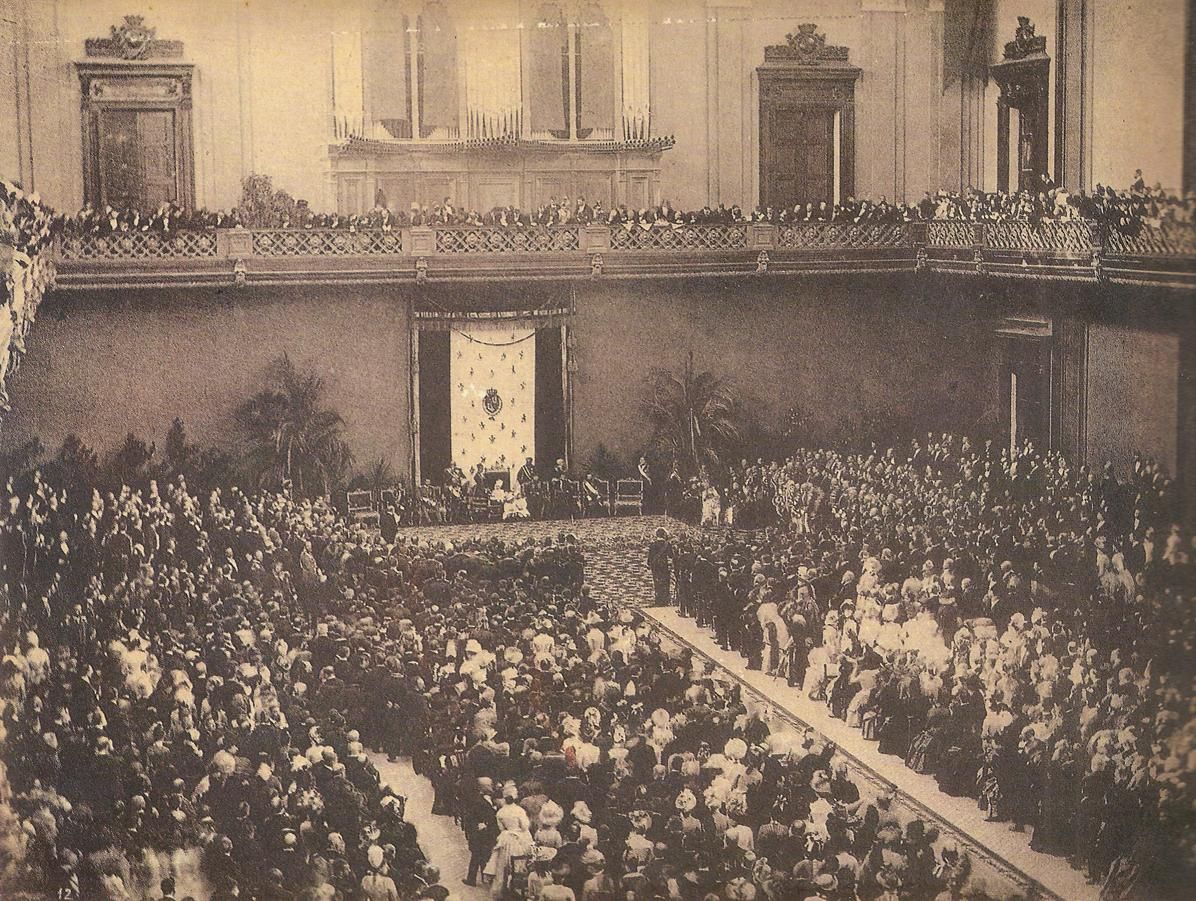
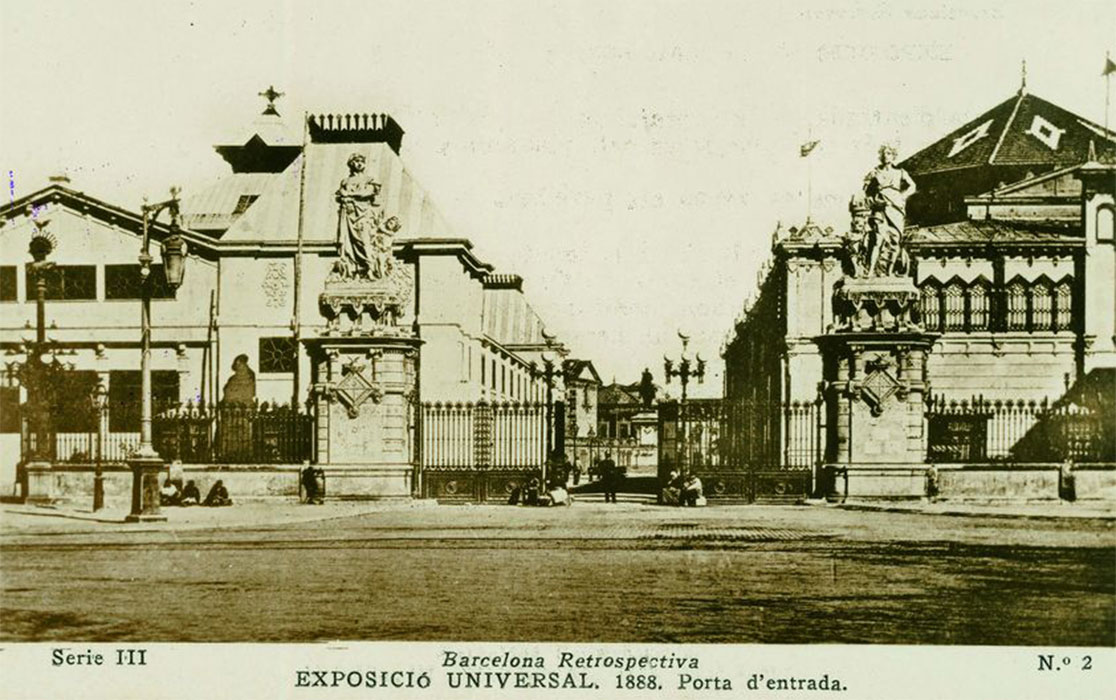
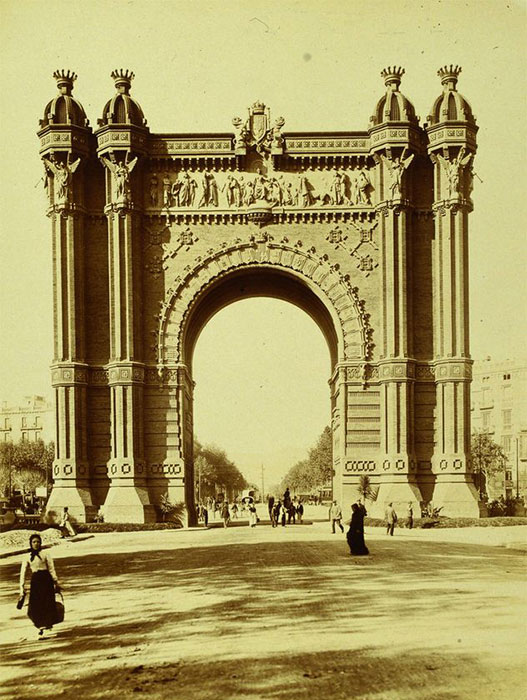
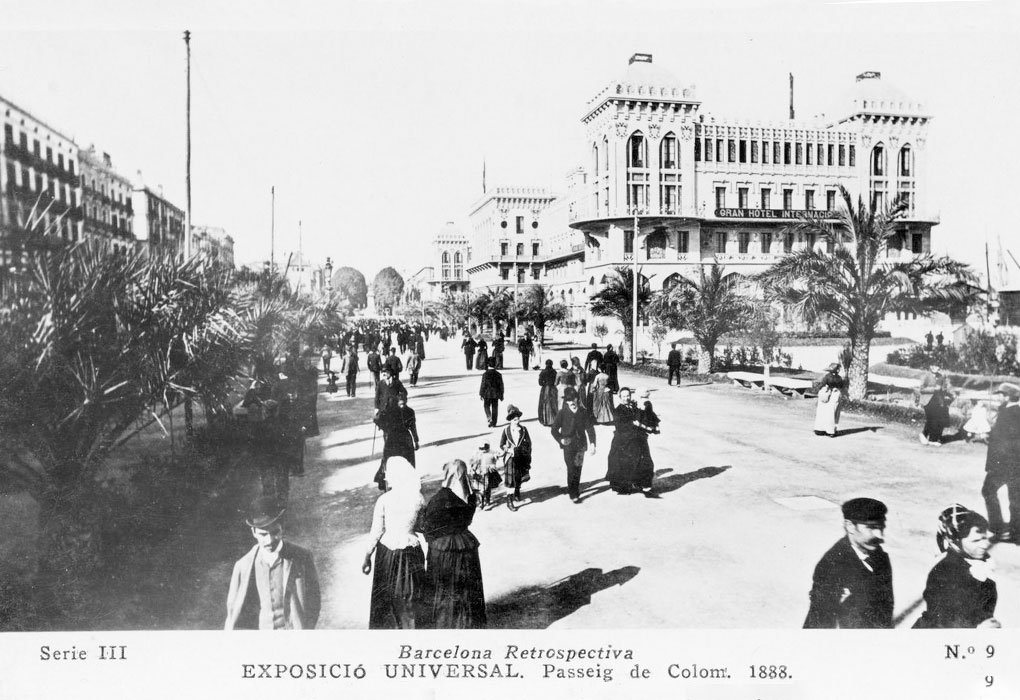
On 20 May 1888, Queen Regent Maria Cristina officially inaugurated the Barcelona Universal Exposition. Throughout the 19th century, Catalonia underwent industrialisation, and the Barcelona area became a region of European economic significance, as well as the industrial powerhouse of the Spanish state. At that time, the city had half a million inhabitants, had demolished its old medieval walls, and was proudly unveiling the new Eixample district. With that Universal Exposition, Barcelona presented itself to the world for the first time as a modern, wealthy, and enterprising society.
The exhibition was an unprecedented success for the city — and especially for the bourgeoisie that had grown rich during those years which Narcís Oller referred to as “la febre d’or” — the gold fever.
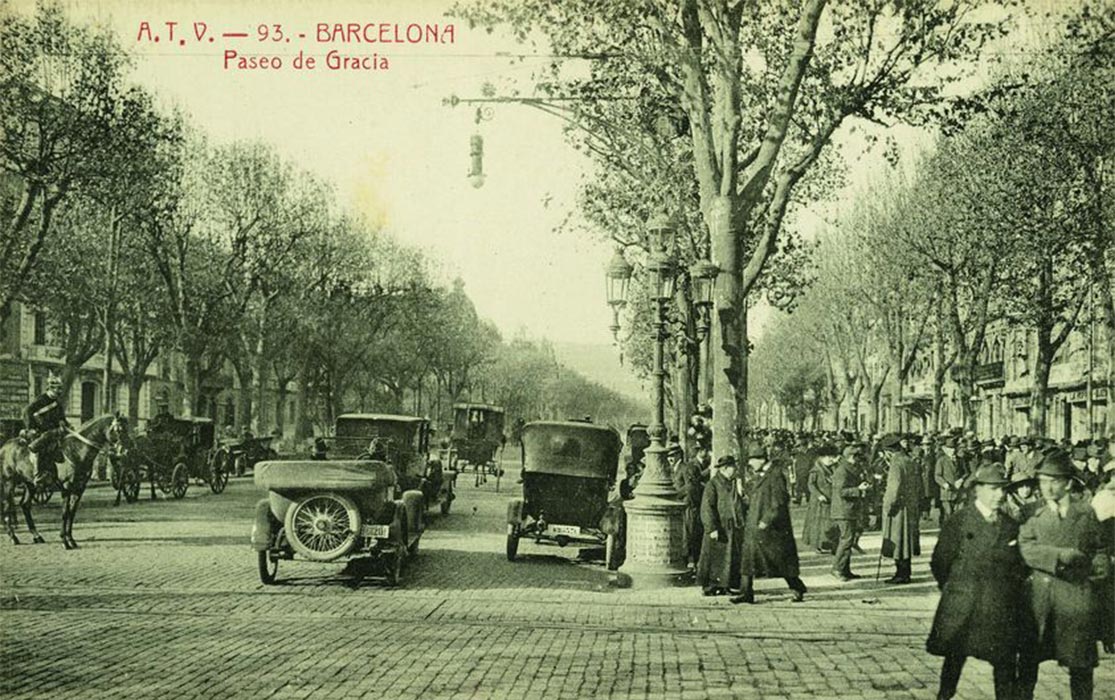
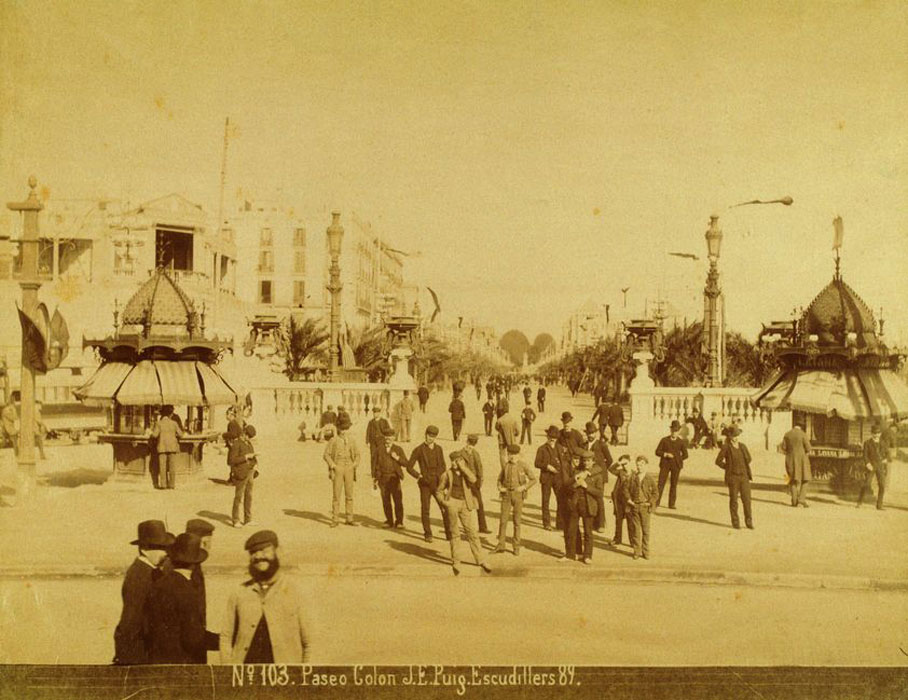
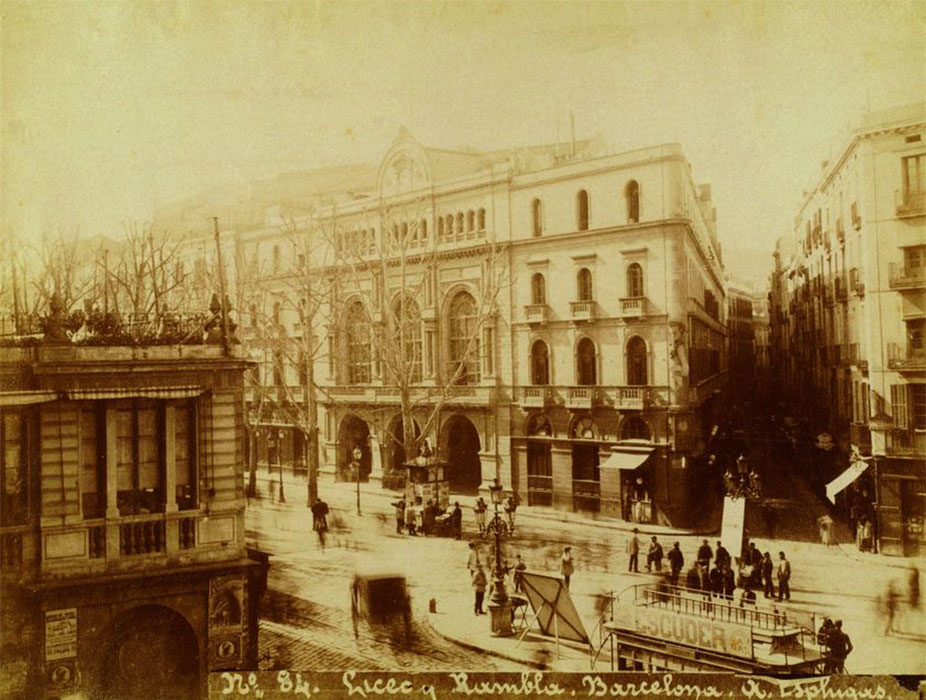
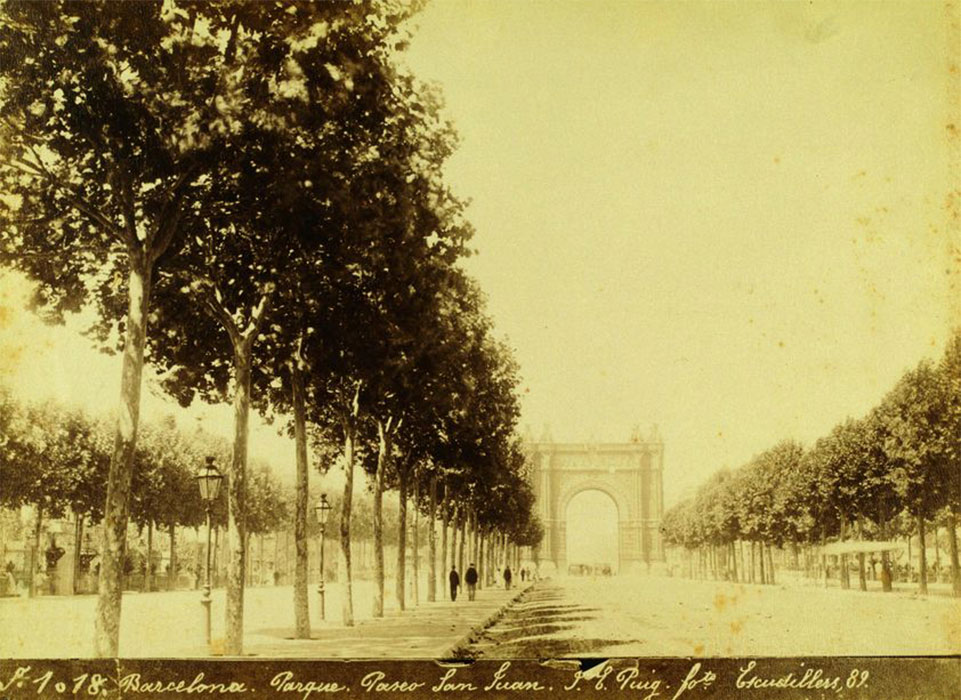
But what if we took a closer look?
What lay behind that modern, enterprising society that presented itself to the world at the 1888 Universal Exposition? Let’s look, for instance, at the Exposition’s organising committee, known as “the committee of eight”:
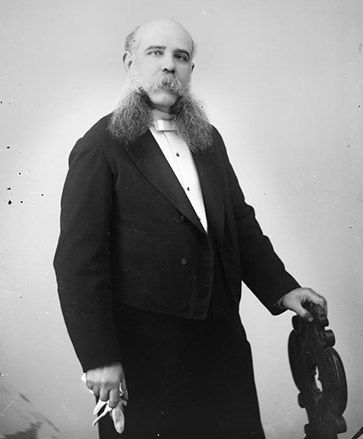
Francesc Rius i Taulet,
mayor
A politician and lawyer who served as mayor of Barcelona on four occasions between 1872 and 1889. He was the driving force behind the 1888 Universal Exposition and the urban reforms that followed.
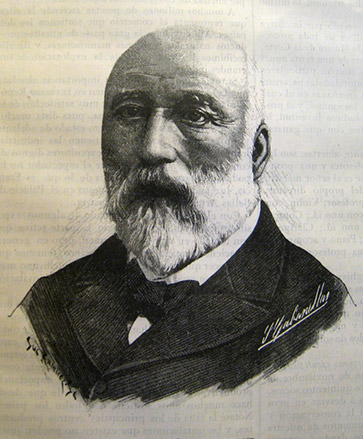
Elies Rogent Amat,
director of works
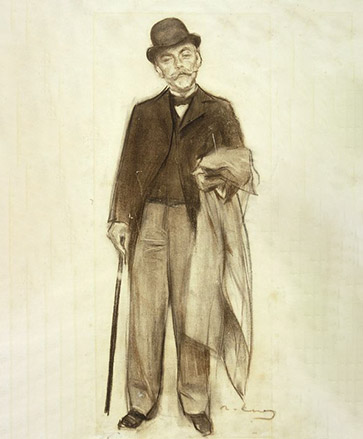
Carles Pirozzini,
museographer and art critic
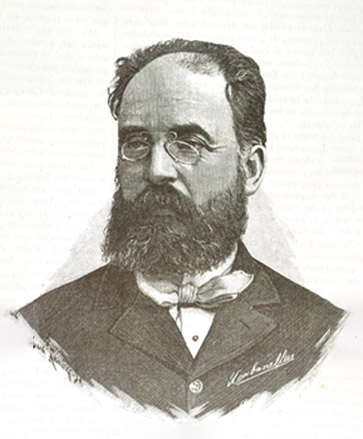
Lluís Ruviere i Bula,
engineer
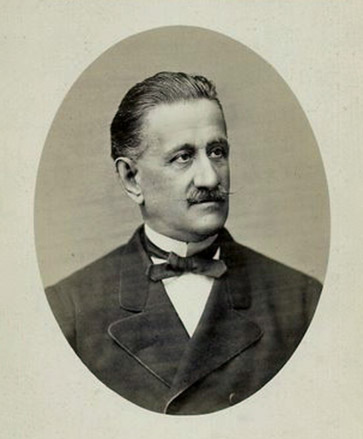
Manuel Girona i Agrafel,
banker
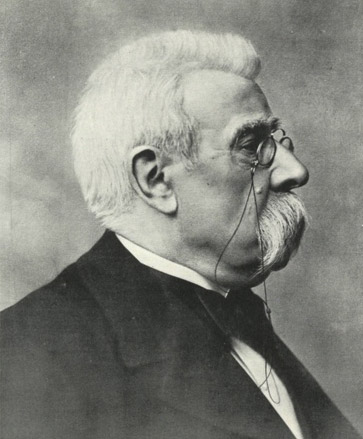
Manuel Duran i Bas,
lawyer and politician
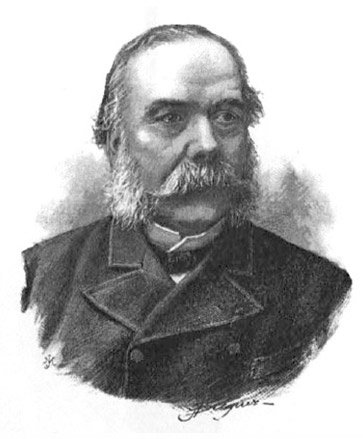
Josep Ferrer i Vidal,
businessman
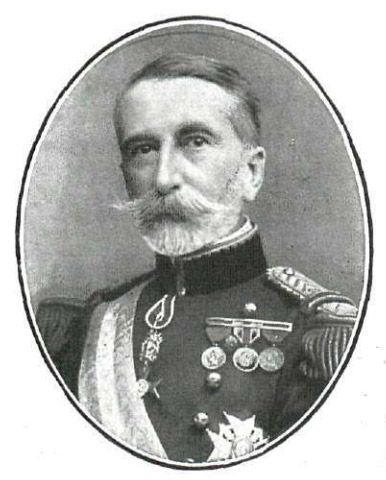
Claudi López Bru,
Marquess of Comillas
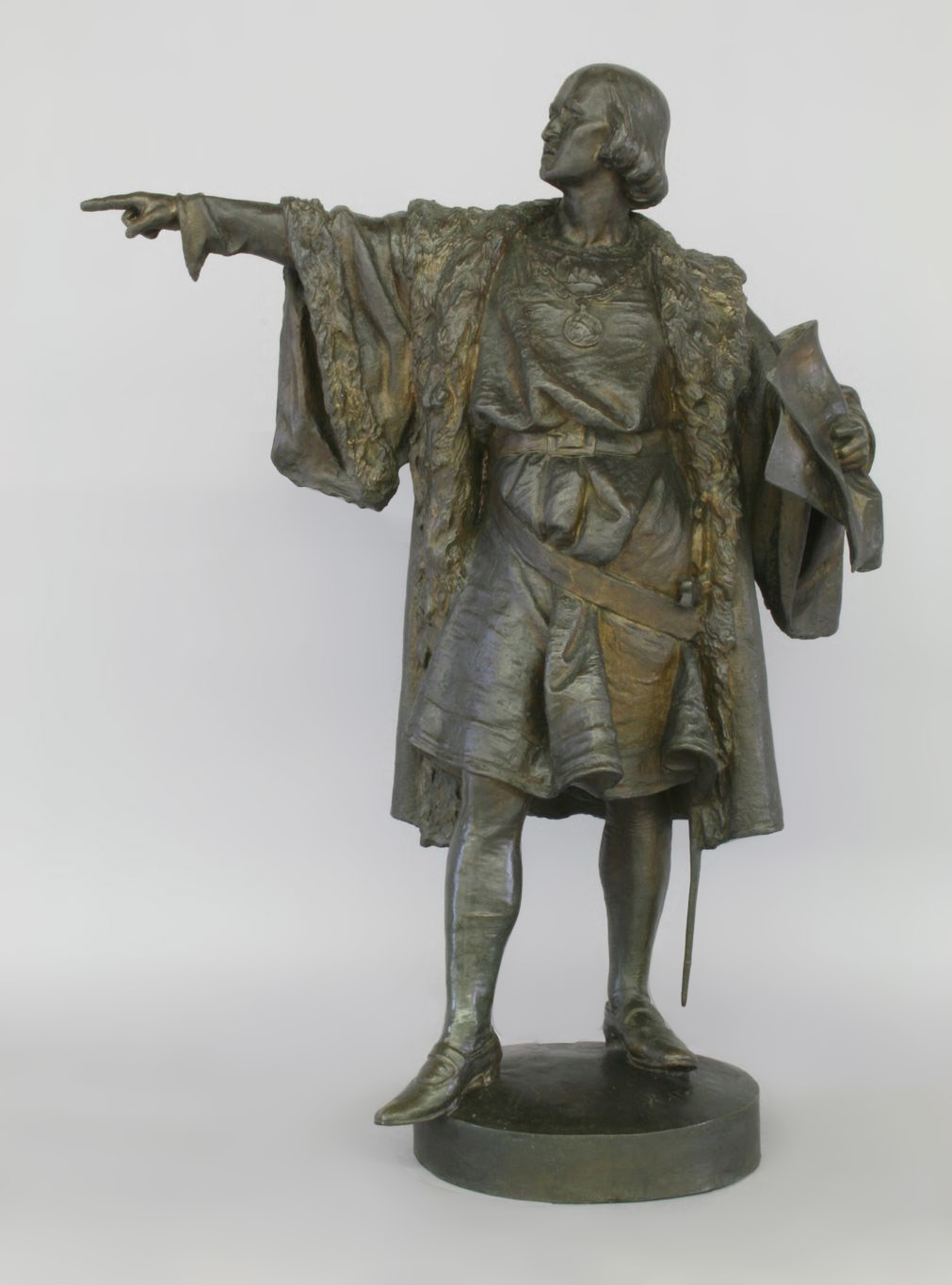
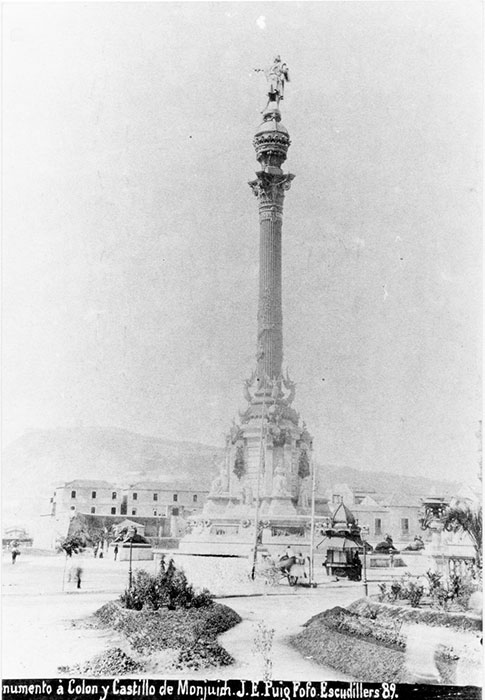
Escultura de Cristòfol Colom. Rafael Atché Farré, 1883. MMB
The Columbus monument was built to mark the 1888 Barcelona Universal Exposition.
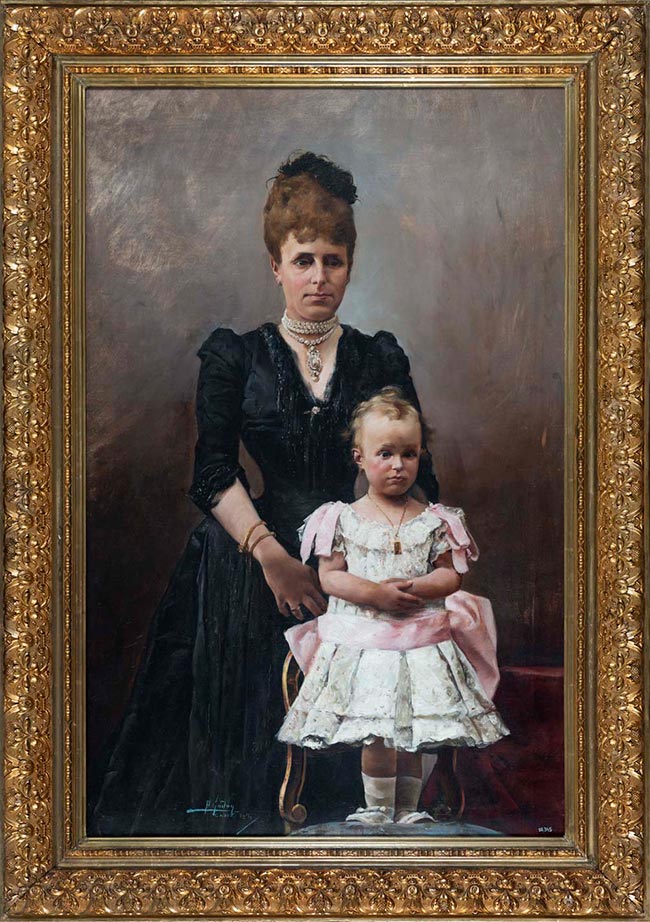
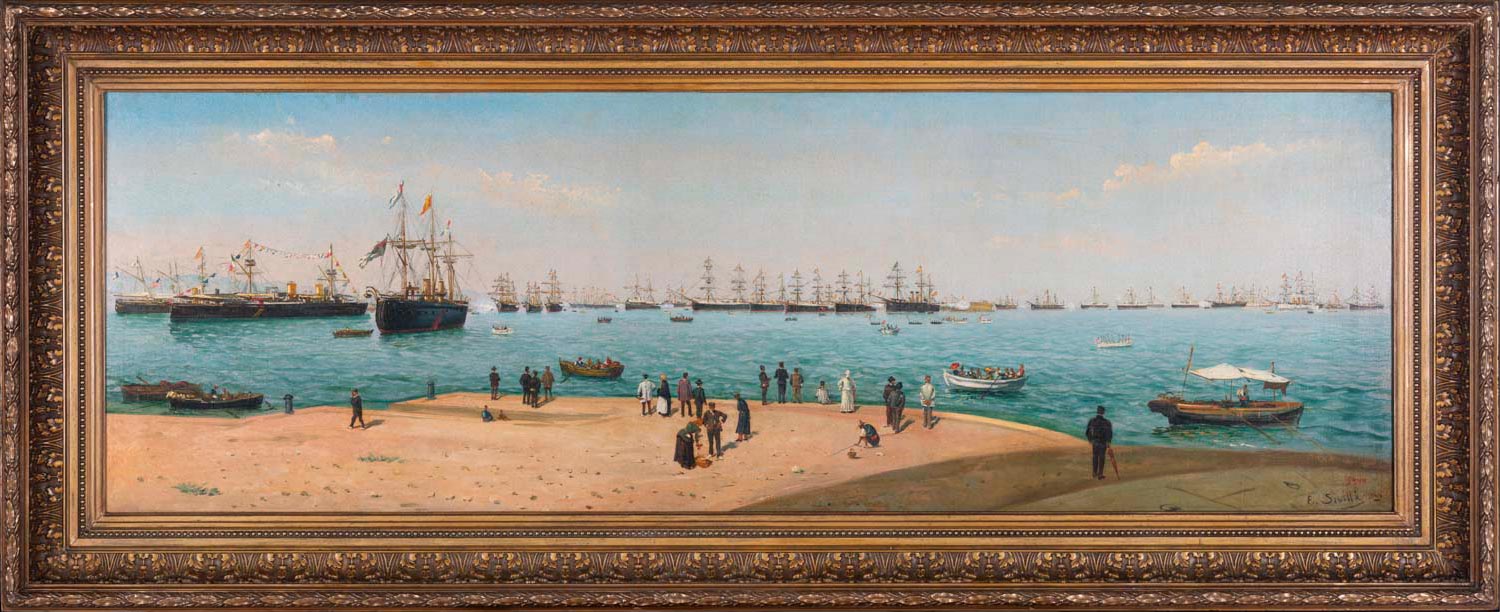
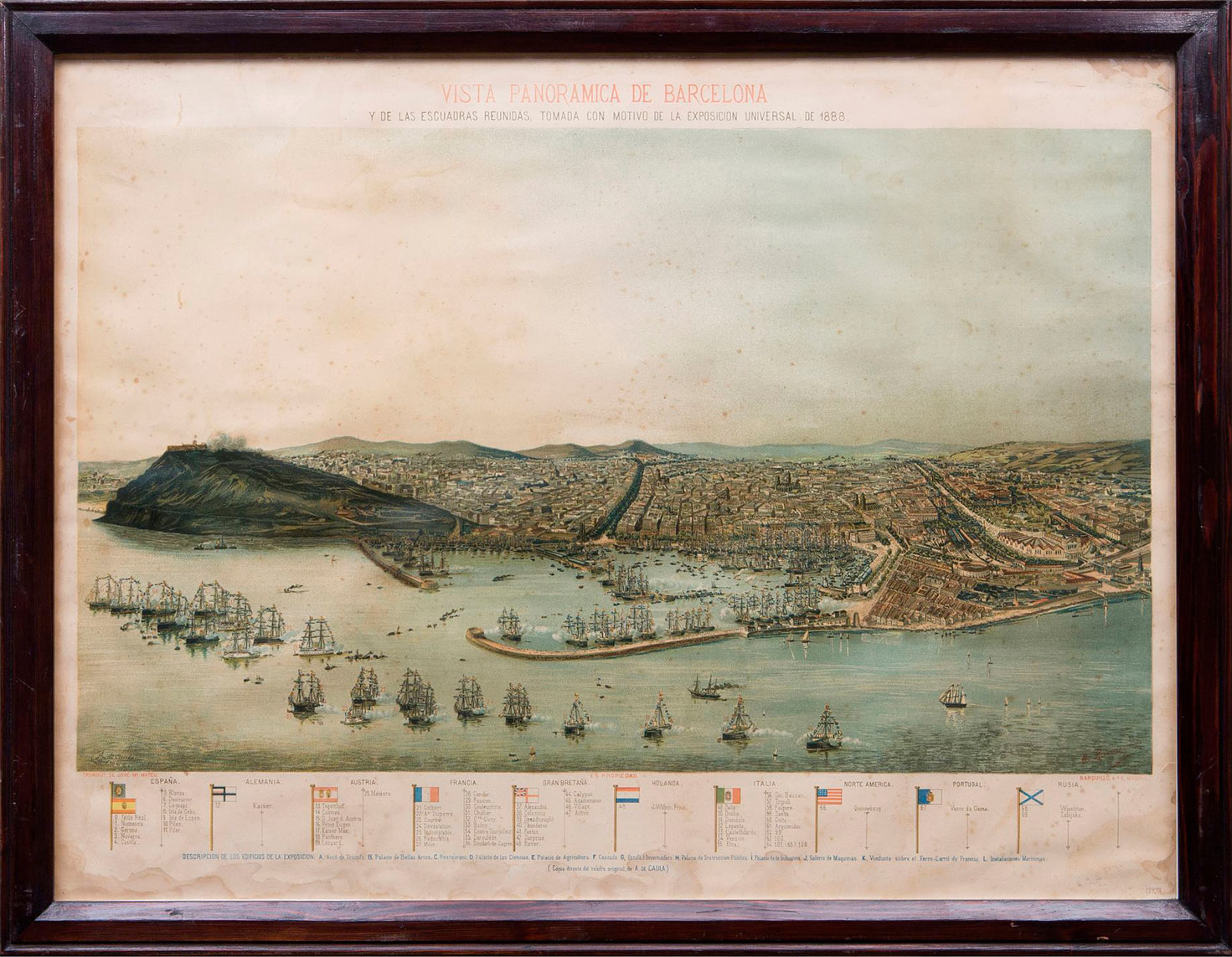
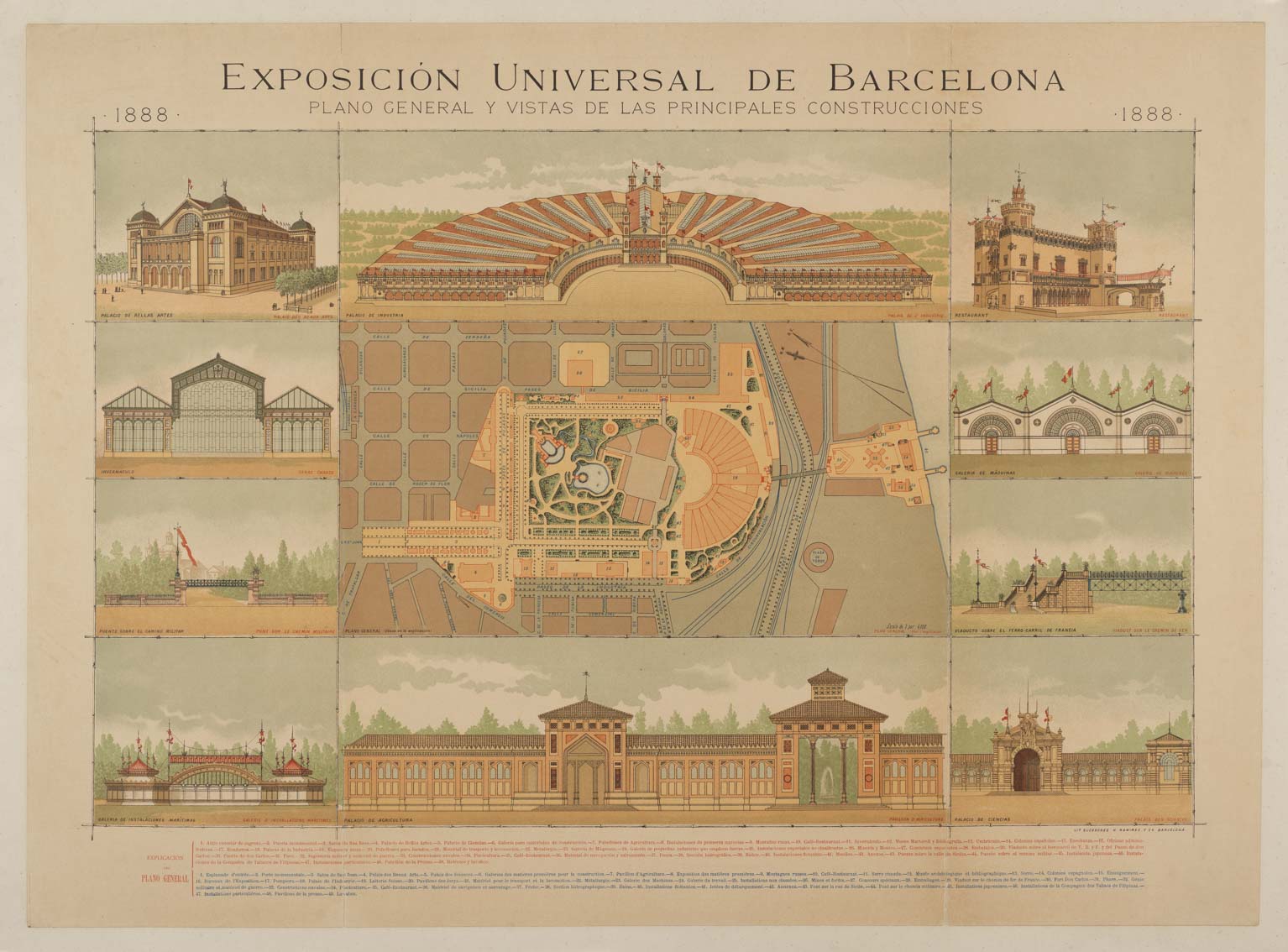
After the Universal Exposition ended, several public facilities were installed in the Parc de la Ciutadella. At the time, the most emblematic of these was the Zoological Park, inaugurated in 1892. But even these facilities, seen up close, raise certain questions: their origins lay in the exotic animal collection of the Granja Martí Codolar — a property Joaquim Martí Codolar had inherited from his uncle, Isidre Inglada Marquès, who was also connected to the slave trade.
In 1888, the year of the Universal Exposition, slavery had already been abolished in all the American colonies. But it had left behind a trail of enormous profits, which were reinvested in Europe’s major cities. And in Barcelona?