The Racism That Remains
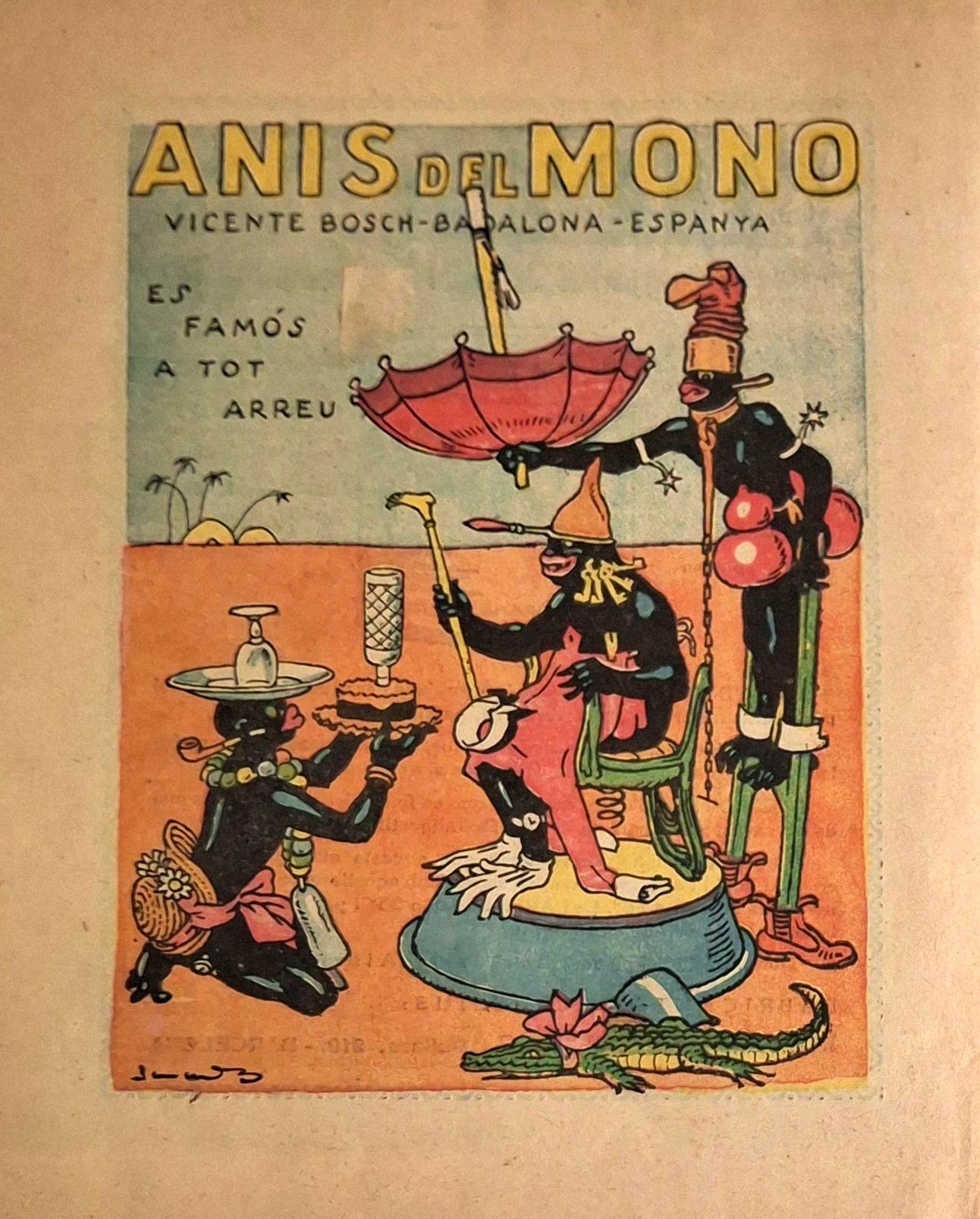
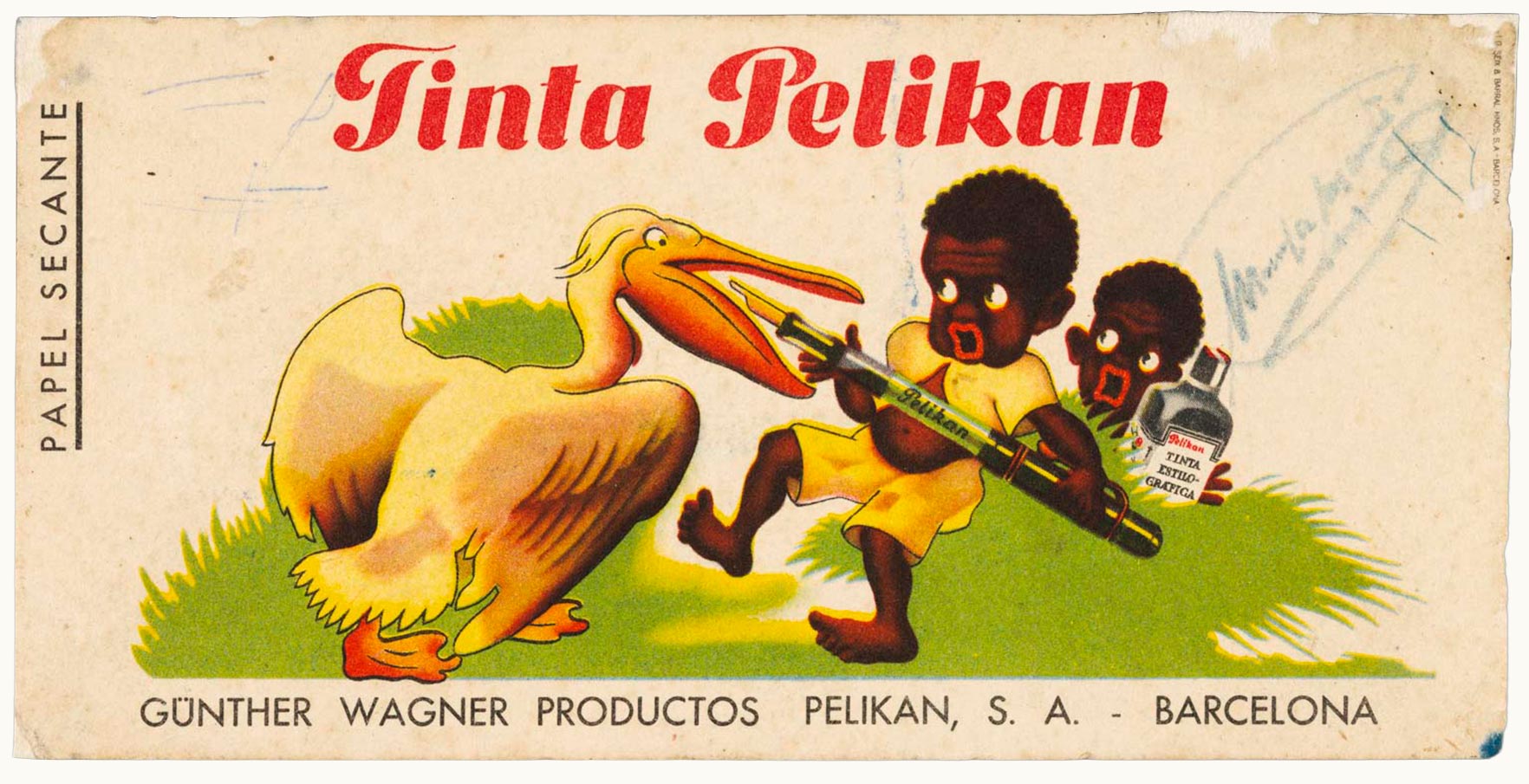
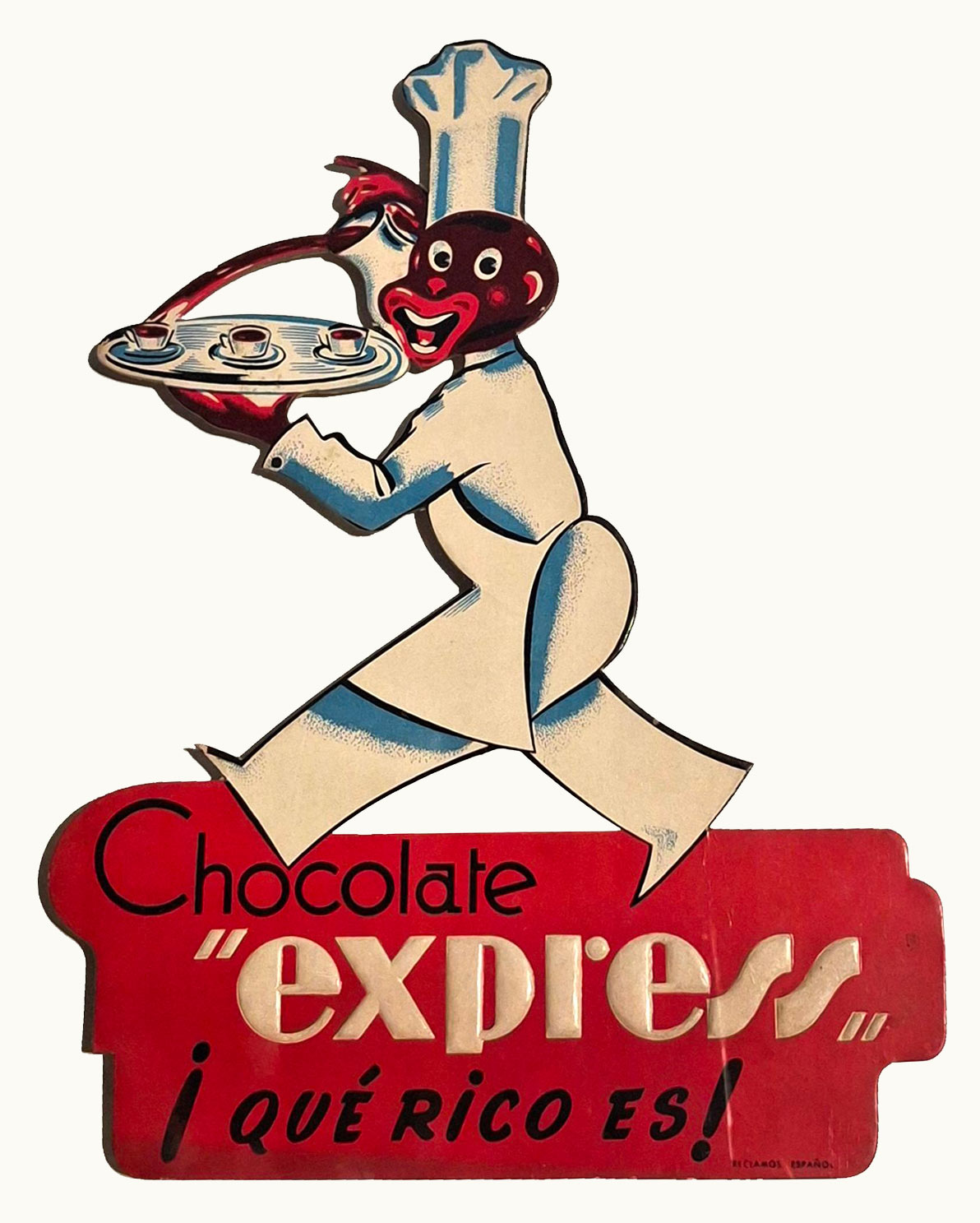
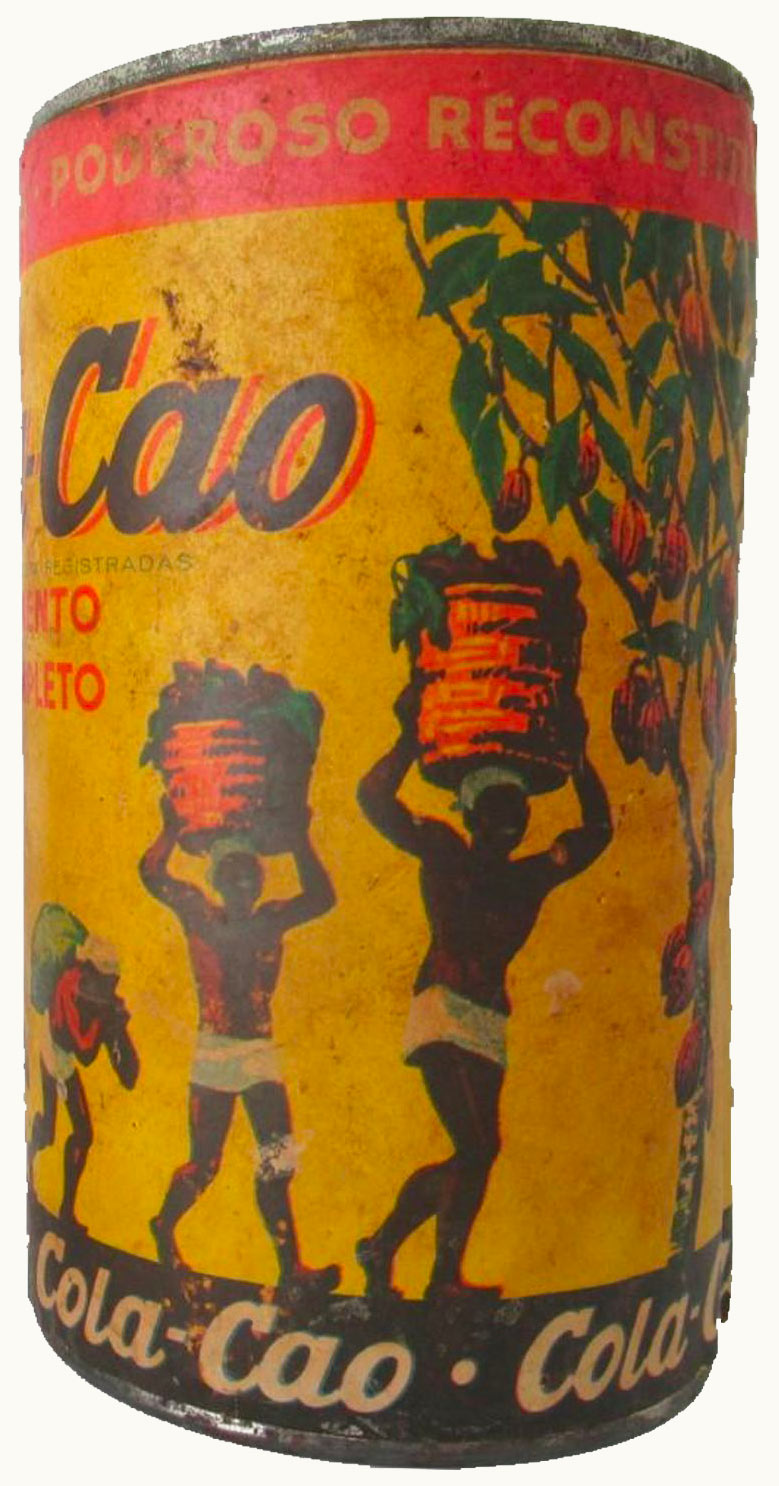
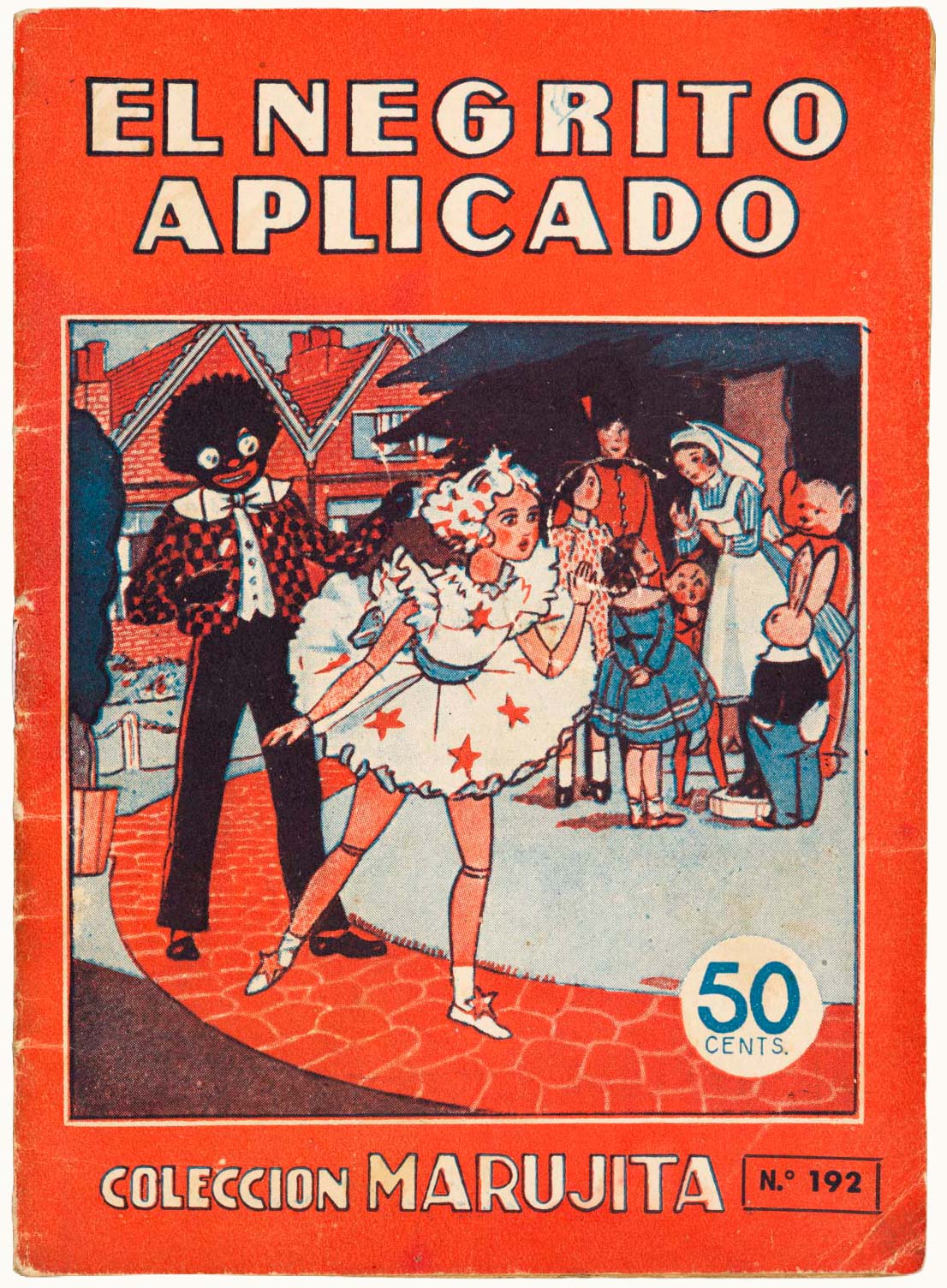
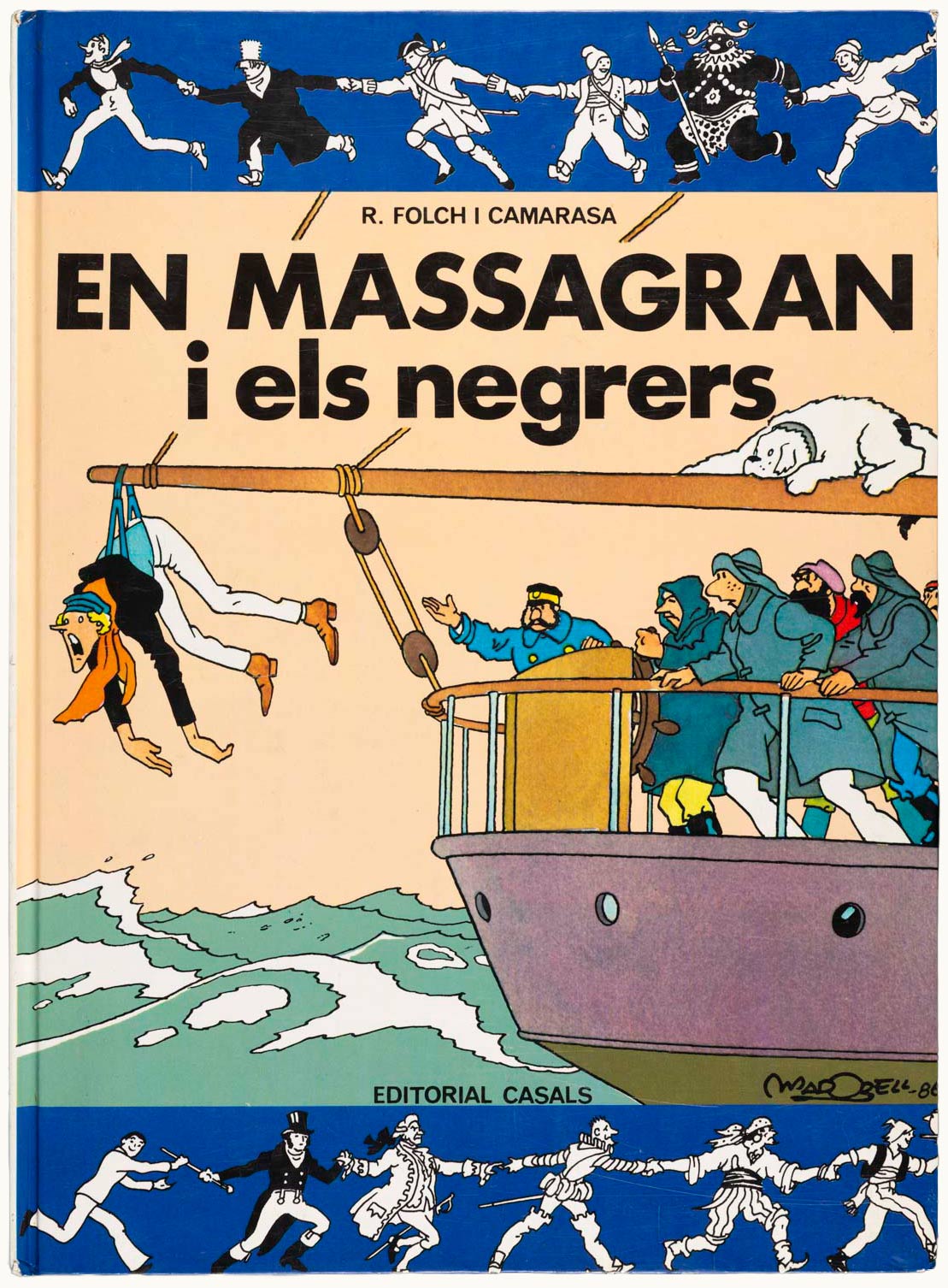
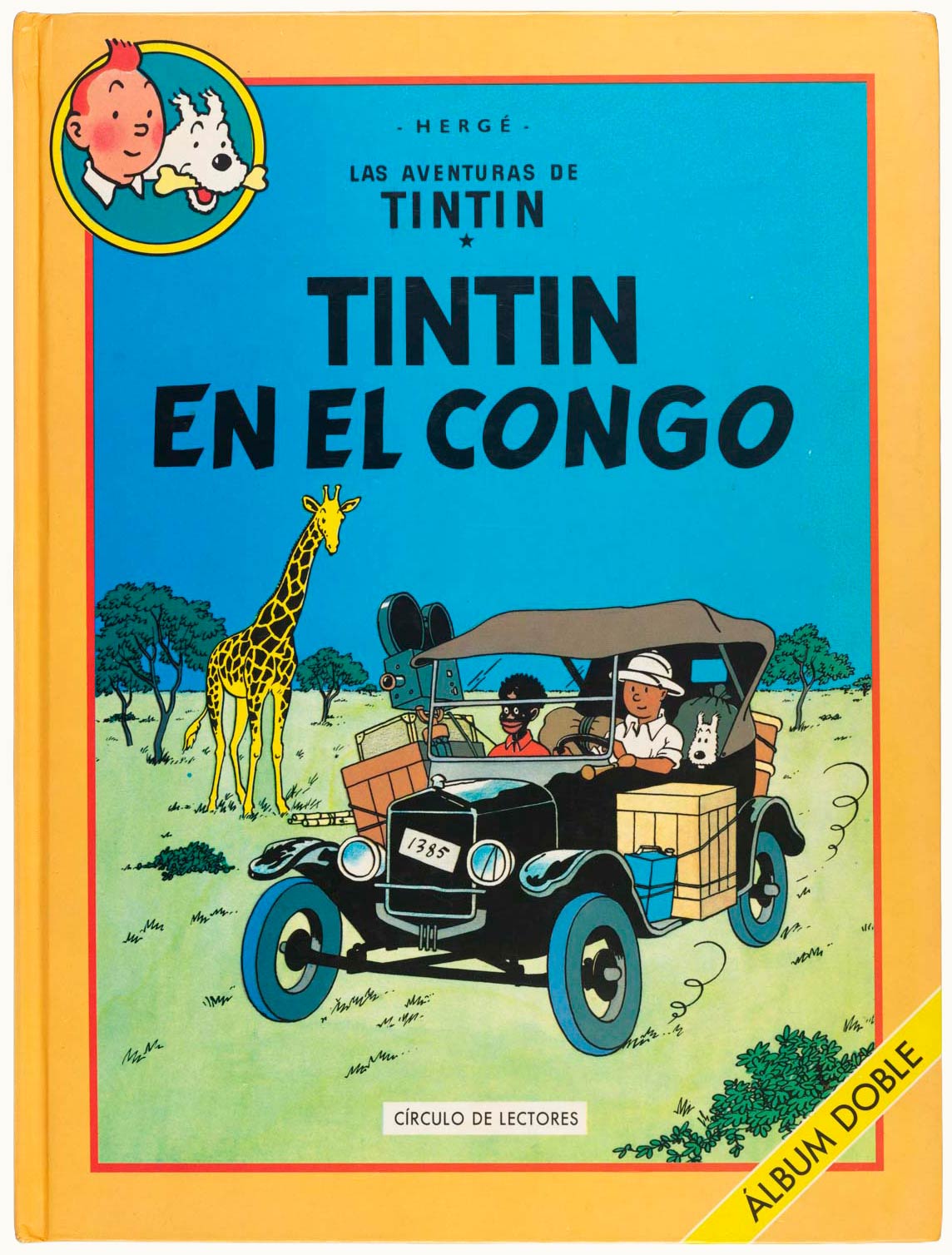
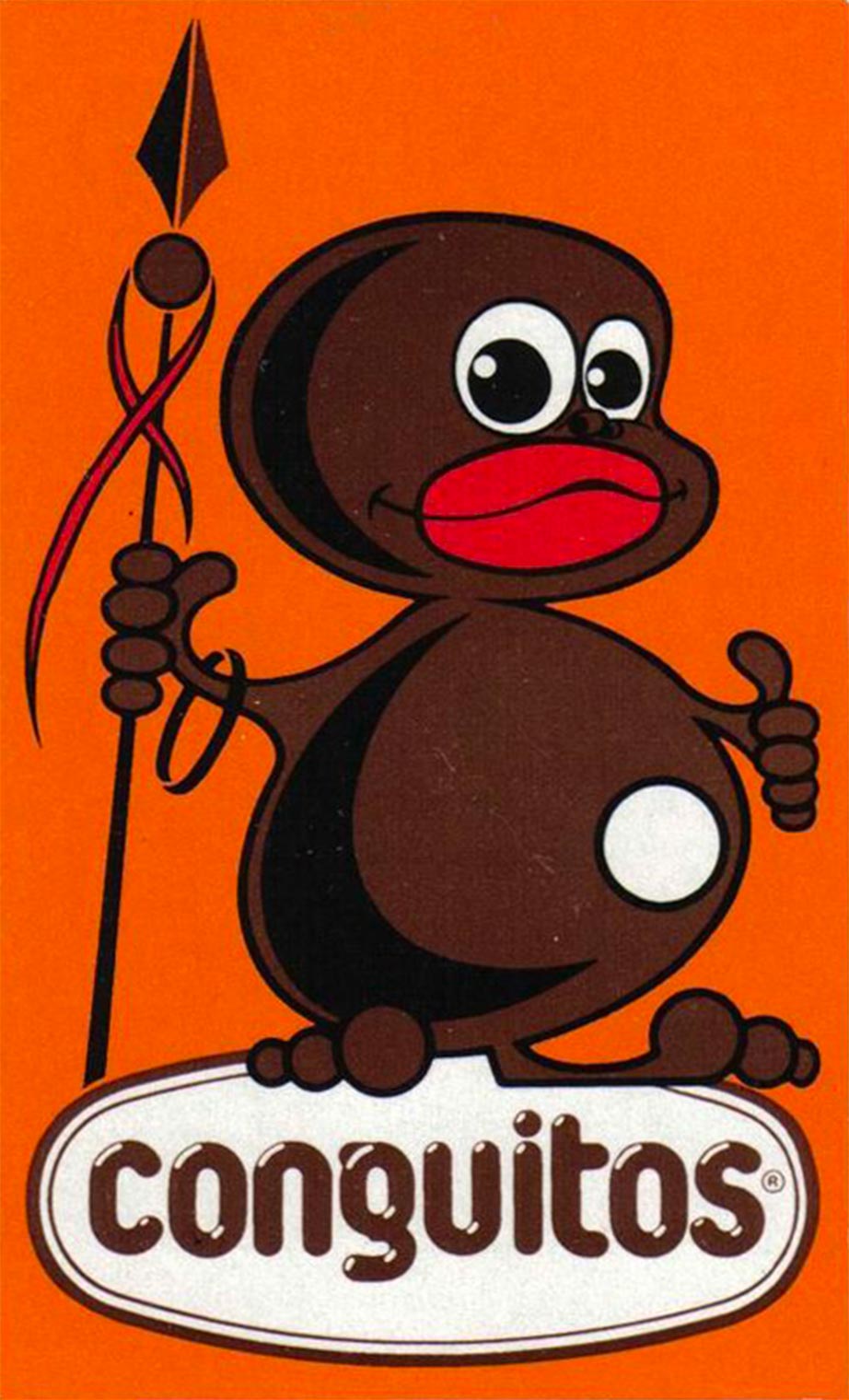
Although in Catalonia, since the Middle Ages, there had been enslaved people from Arab, Turkish or Eastern European lands, from the 18th century onwards slavery became increasingly associated with Black Africans. As a result, they were racialised as a group supposedly lacking intellectual and social capacity and viewed as existing at a lower stage of evolution than Europeans. In Catalan popular culture, Black people were caricatured as quaint, foolish, hypersexualised, or even cannibalistic characters.
The end of slavery did not put an end to everything: racism remained — a shameful legacy that has endured to this day.
The transmission of racist imaginaries
The caricatured — and even ridiculed — image of Black people was widely spread through products aimed at children and young people. Although presenting such imagery may be offensive to many, the MMB has chosen to exhibit a small selection in order to raise awareness of how racism has been constructed, reinforced, and disseminated through all kinds of media and material culture.
Figures Who Stood Against Racism
Since the abolition of slavery, the Afro-descendant community has never stopped fighting racism. There are countless anti-racist role models — here, we highlight just a few.
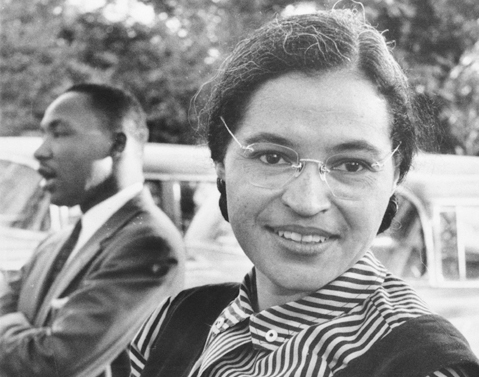
Rosa Parks (2013-2005)
In 1955, she refused to give up her seat on a bus to a white person, for which she was arrested and tried. In 1956, the US Supreme Court ruled that bus segregation was unconstitutional.
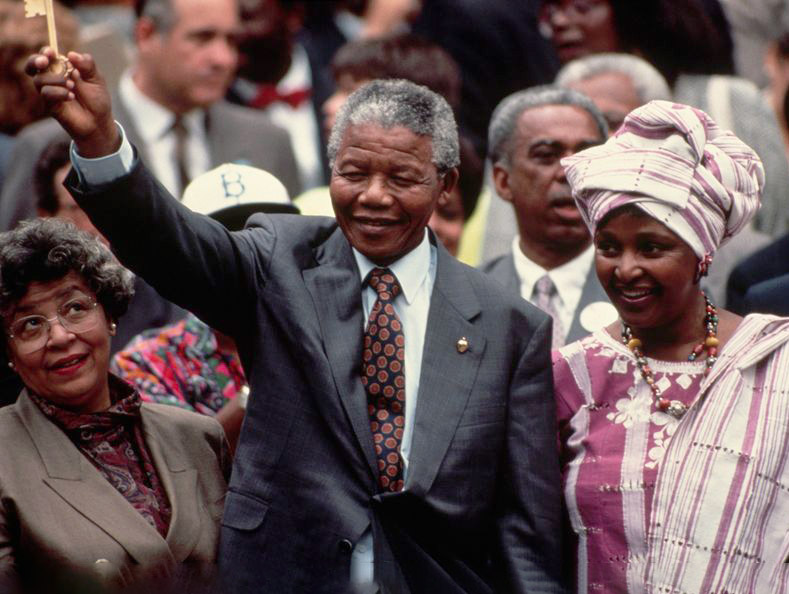
Nelson Rolihlahla Mandela (1918-2013)
He was one of the most iconic leaders against racial segregation in South Africa. He was imprisoned for 27 years. He became the first president of the Republic of South Africa.
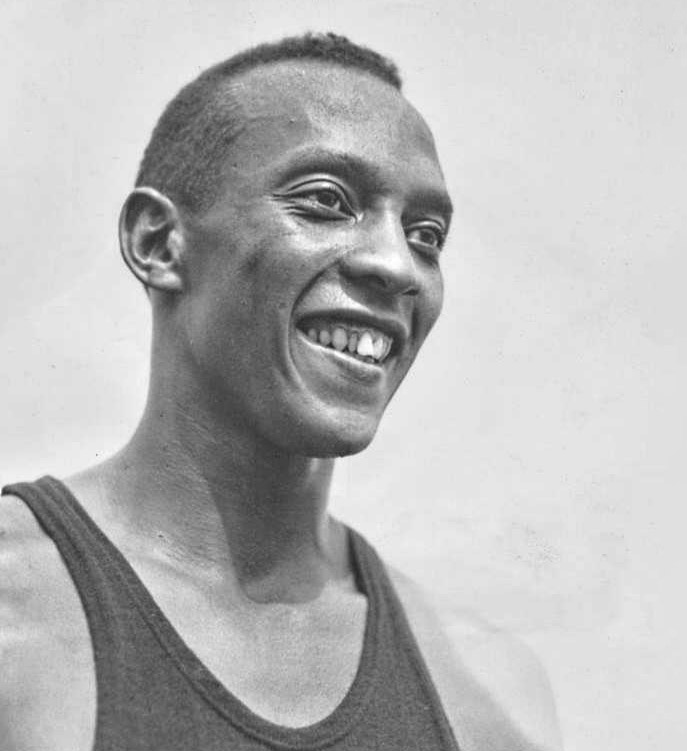
Jesse Owens, (1913-1980)
He was an African-American athlete who won several medals at the 1936 Olympic Games in Berlin, challenging the Aryan supremacy advocated by the Nazi government that organised the event.
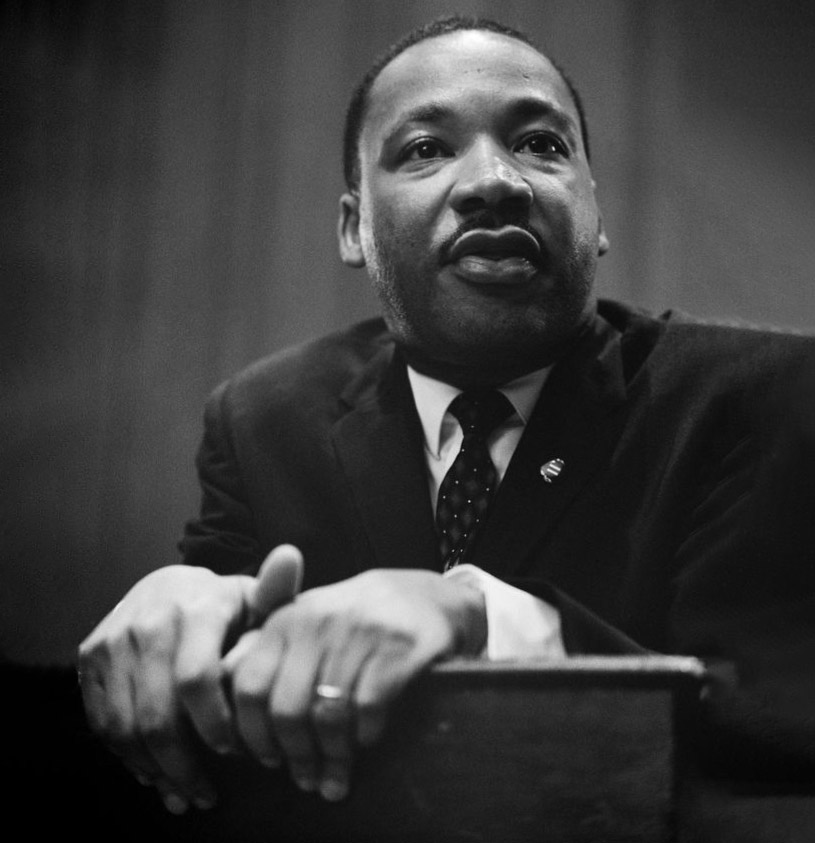
Martin Luther King (1929-1968)
He was one of the main leaders of the African-American civil rights movement in the 1960s, for which he was awarded the Nobel Peace Prize in 1964. He was assassinated in 1968.
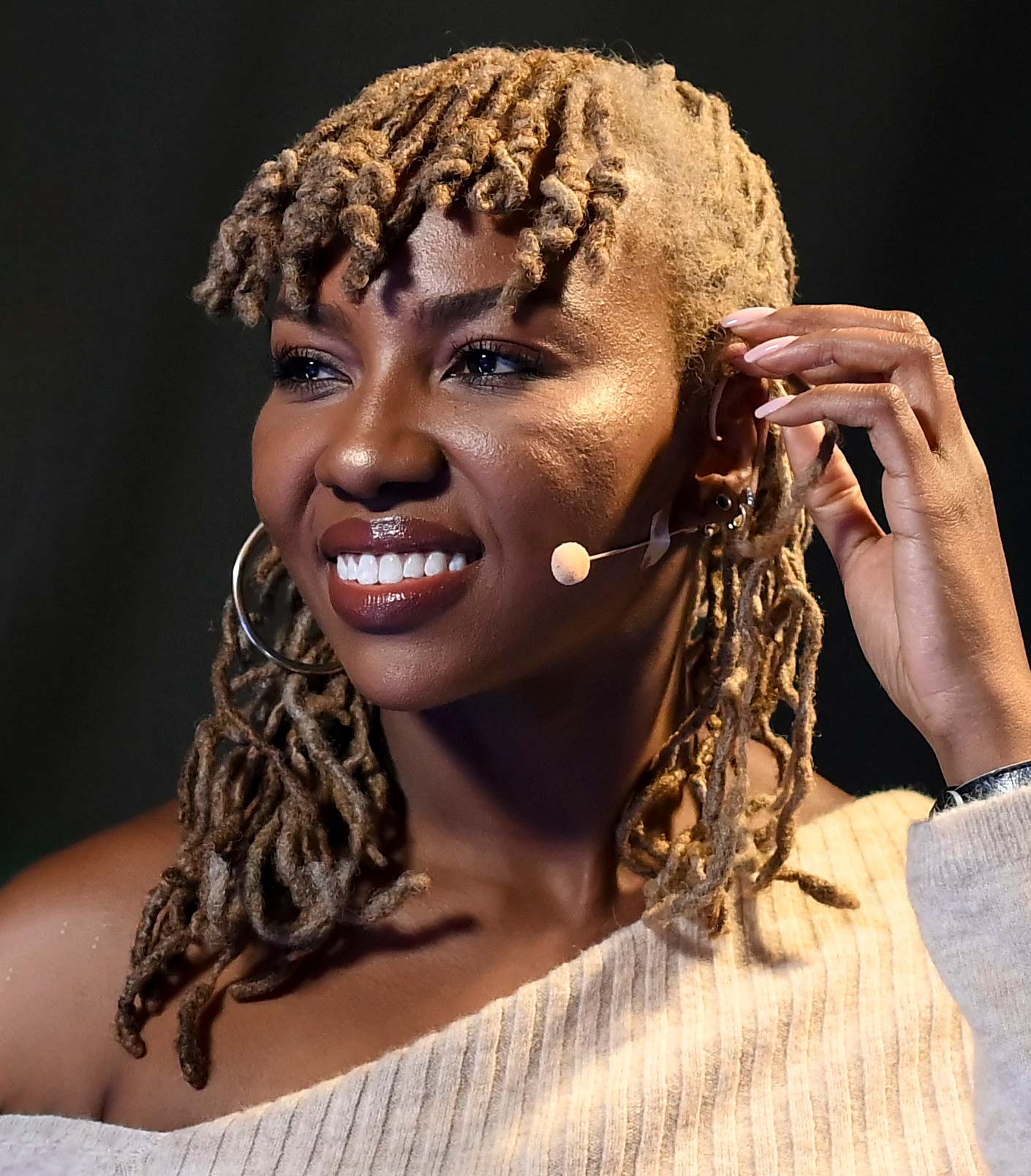
Opal Tometi (1984 -)
She is a human rights activist and founder, alongside Alicia Garza and Patrisse Cullors, of the anti-racist movement Black Lives Matter in 2020.
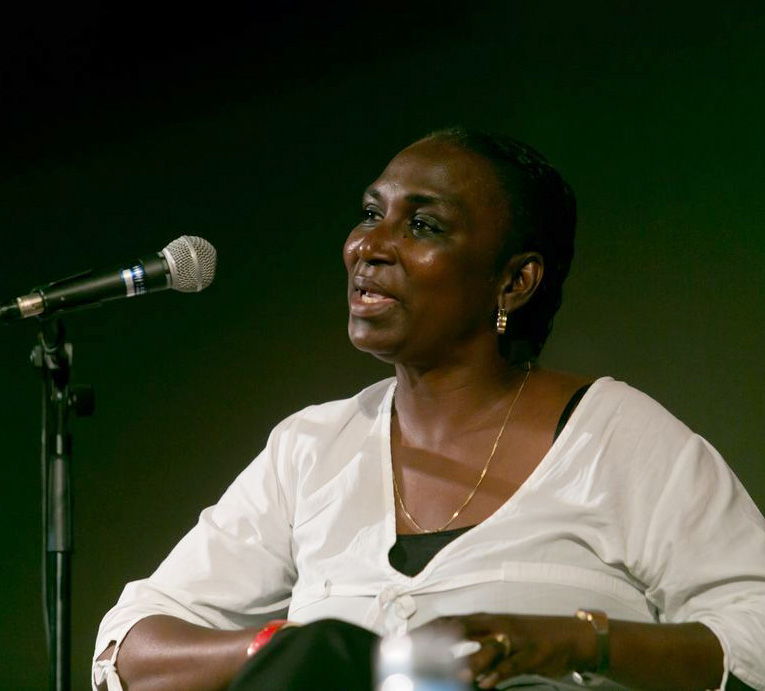
Bombo Ndir Fall (1961 -)
President of the Association of Sub-Saharan Immigrant Women, and recipient of the Creu de Sant Jordi (2023) for her fight for equal rights, anti-racism and decolonial feminism.
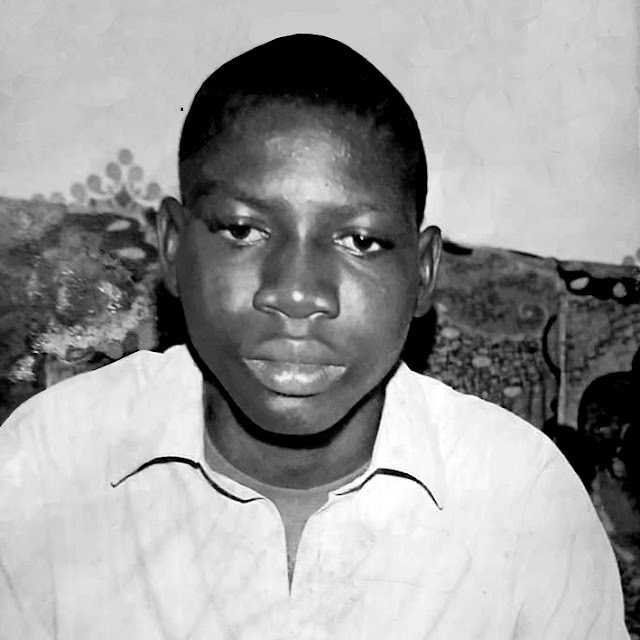
Idrissa Diallo (1991–2012)
Born in the village of Tindila, Guinea Conakry. He died in the Barcelona Detention Centre for Foreigners in 2012. A symbol of the victims of migration policy thanks to the struggle of social movements, which succeeded in dedicating the former Antonio López Square to him.
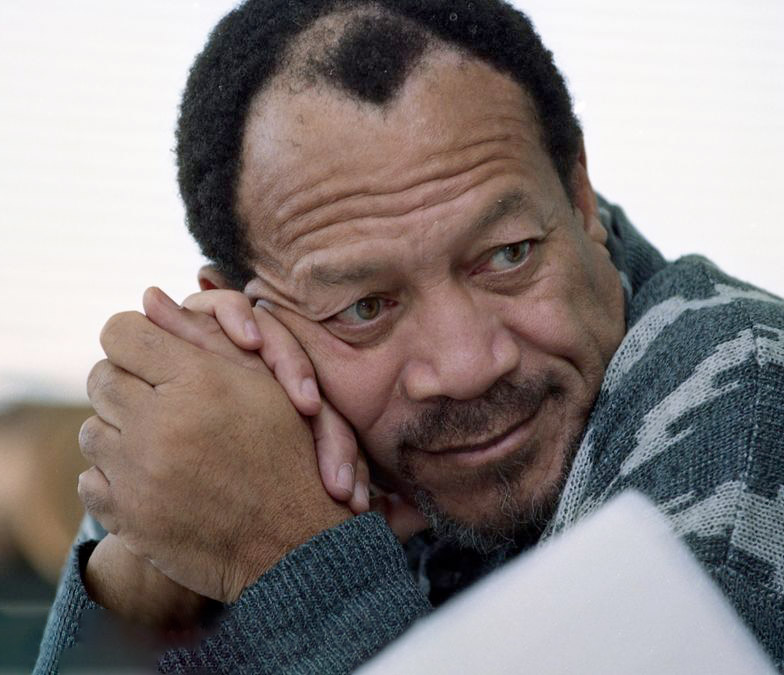
Alphonse Arcelin (1936–2009)
He was the promoter of the campaign to remove the stuffed body of the Bushman warrior, known as the Negre de Banyoles, from the Darder Museum in Banyoles.
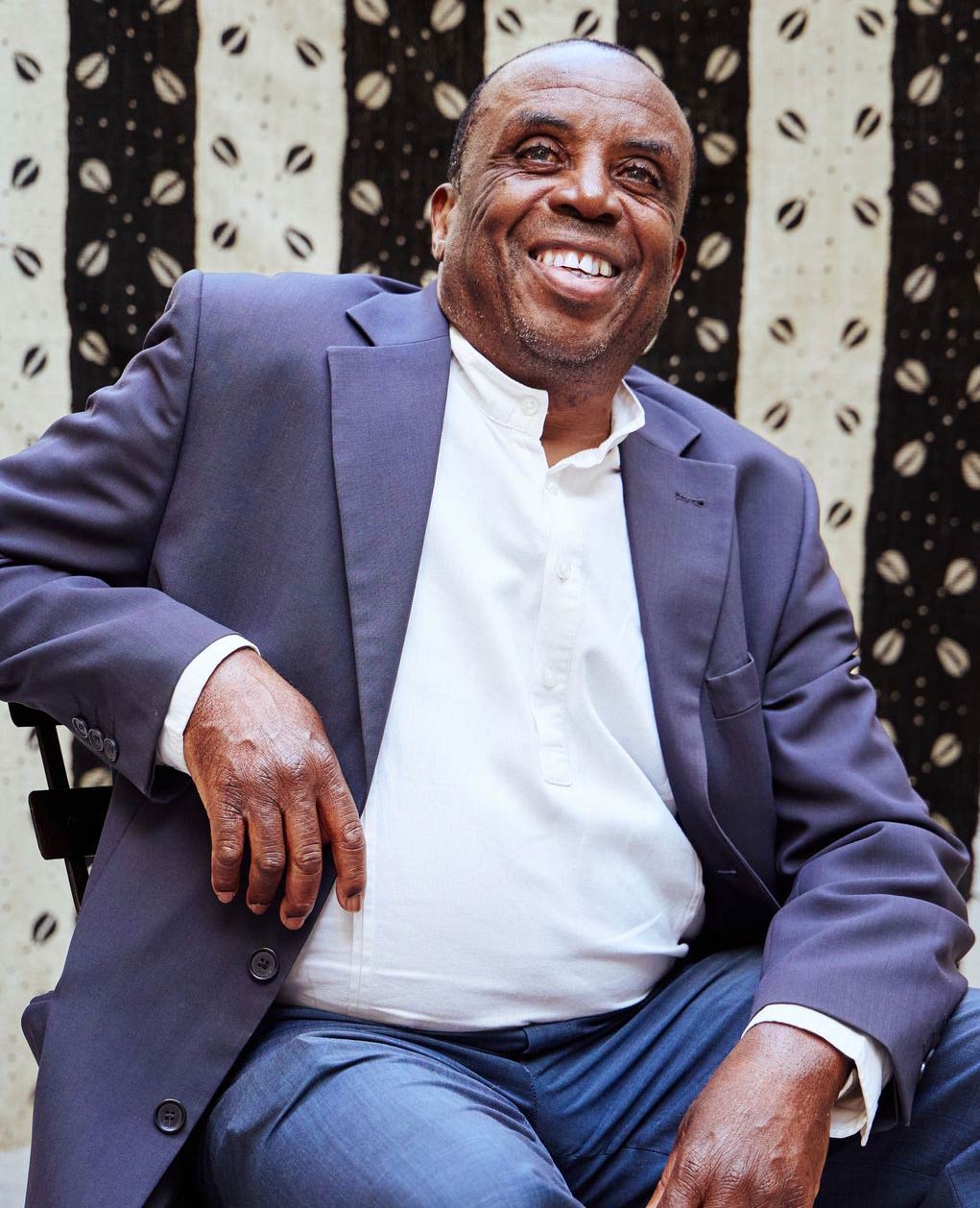
Edmundo Sepa Bonaba (1968 -)
He is a sociologist specialising in immigration and cooperation and the director of the AfroCatalan Space at the Nous Catalans Foundation.
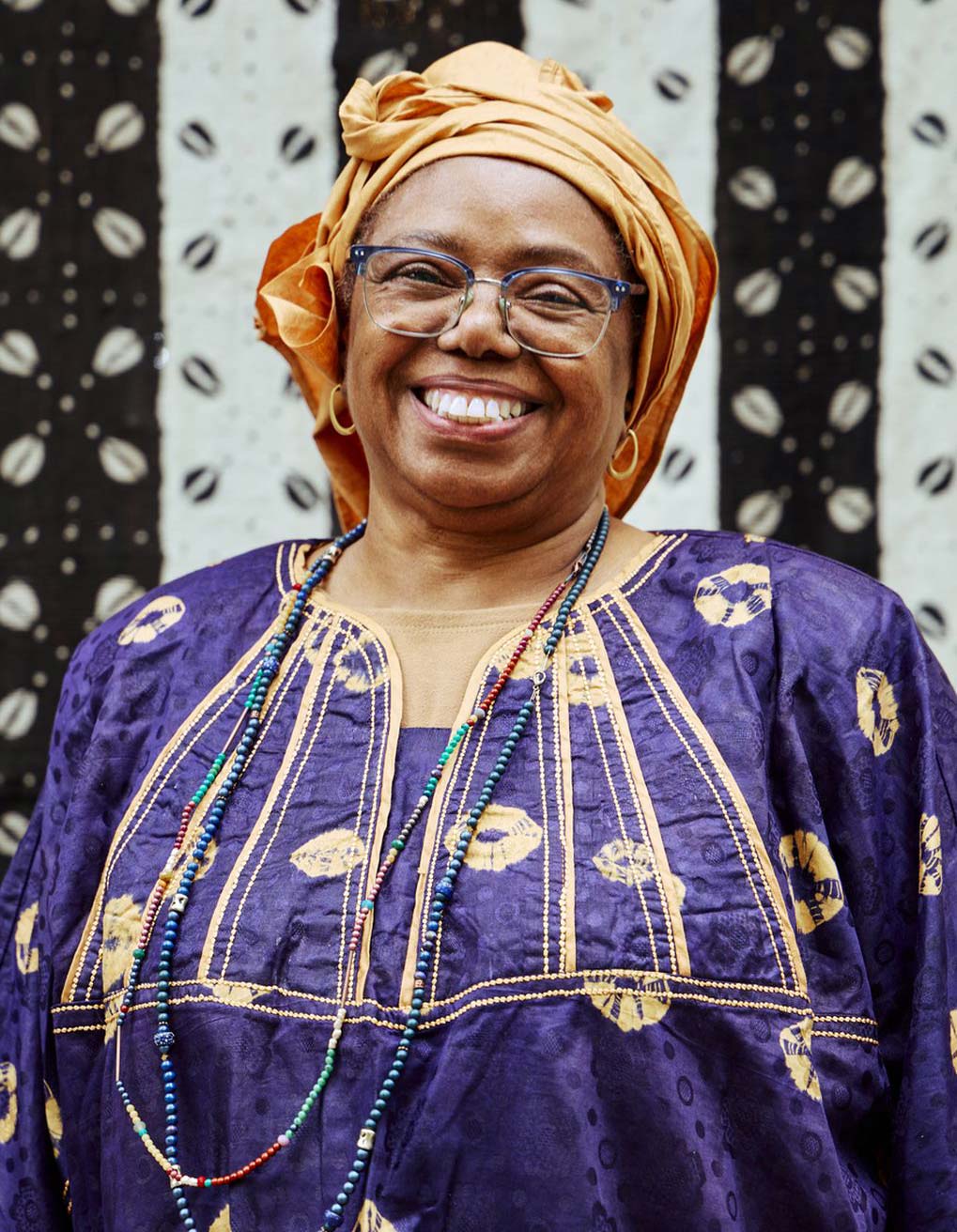
Bombo Ndir Fall (1961 -)
Activist linked to various associations dedicated to defending the rights of migrant women.
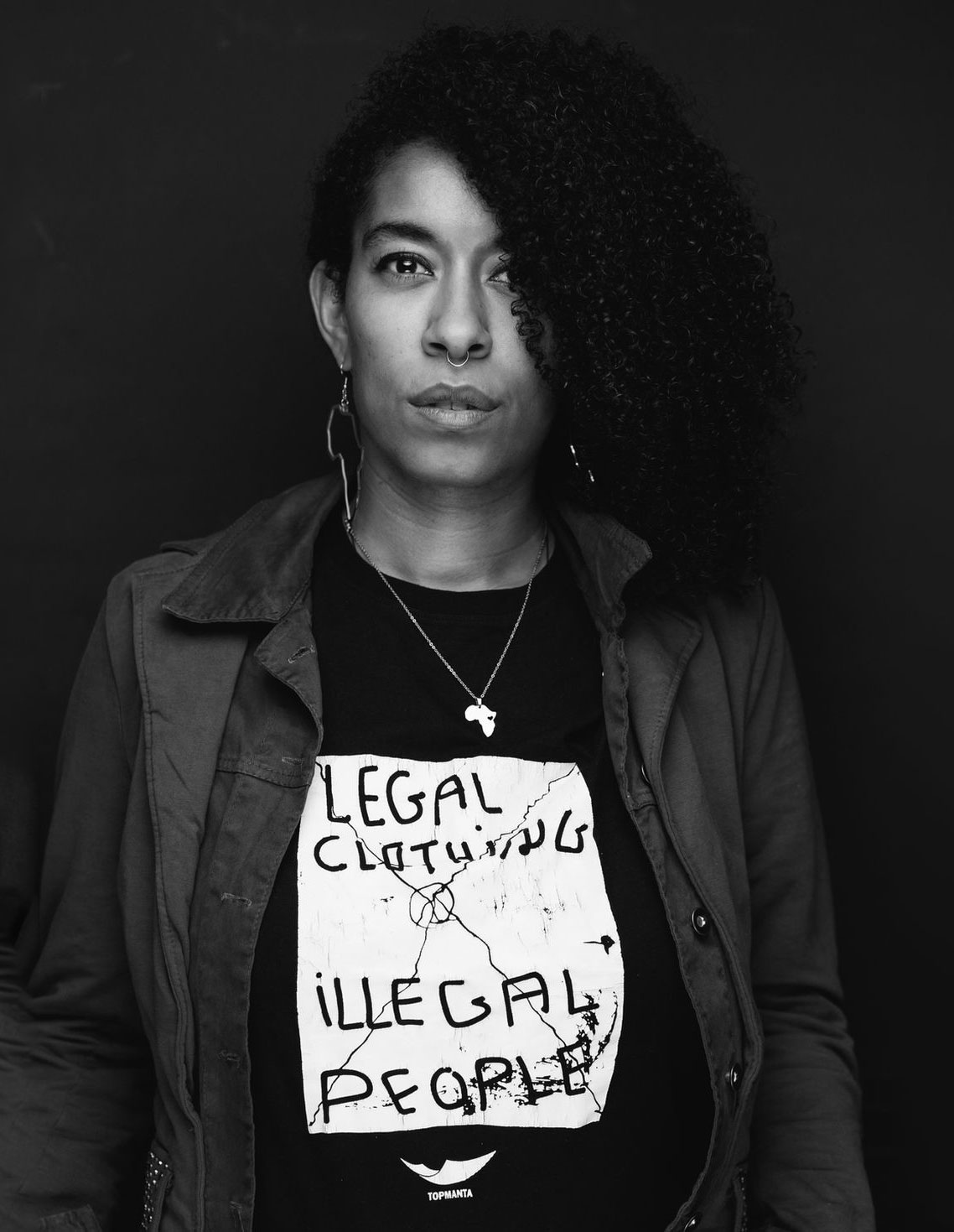
Basha Changue Canalejo (1984 -)
Promoter of the organisations CNAACAT and AfrofemKoop, she was a Member of the Parliament of Catalonia (2021-2024).
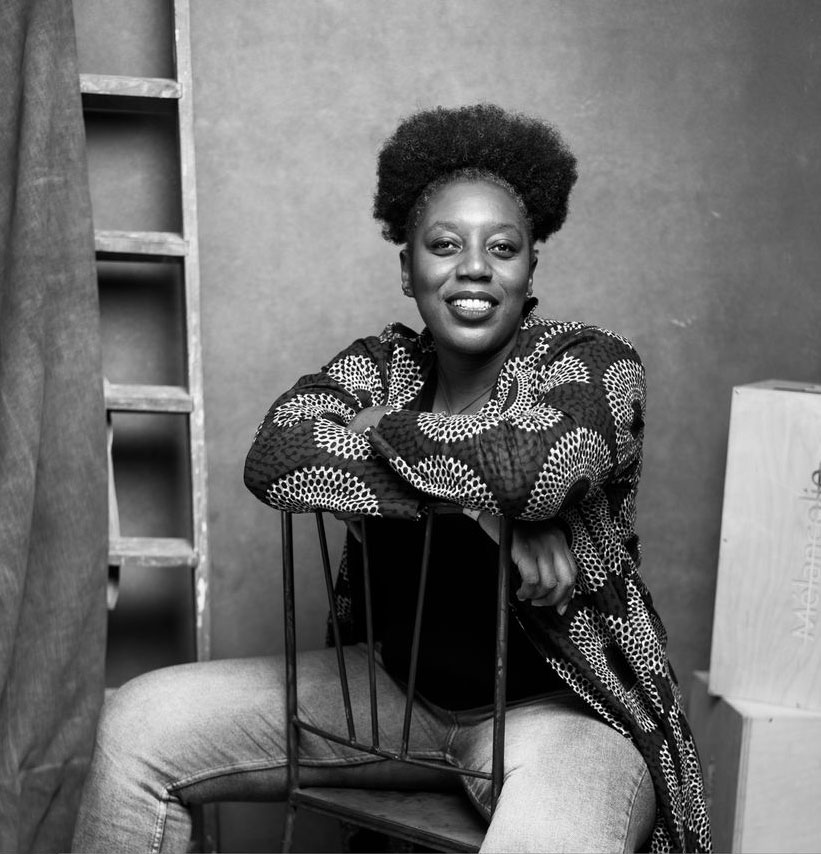
Desirée Bela-Lobedde (1978 – )
Writer dedicated to promoting anti-racist education.
Managing memory
In March 2018, Barcelona City Council removed the statue of Antonio López y López (1817–1883), the first Marquess of Comillas, from public space. He was one of the most prominent businessmen and merchants in 19th-century Barcelona. He founded the Compañía Trasatlántica Española (Transatlantic Company of Spain), the Banc Hispano Colonial (Hispano-Colonial Bank), and the Companyia General de Tabacs de Filipines (General Tobacco Company of the Philippines). Part of his fortune came from the trafficking of enslaved people between Africa and the American colonies — a trade he engaged in during his years in Cuba.
When the López family returned from Cuba in 1852, Antonio López brought back with him two enslaved individuals: Eloísa and Dorita. We know that Dorita served as a maid to the Marquess’s wife, Lluïsa Bru. Of Eloísa, we know she was born in Africa and was captured and taken to Cuba when she was twelve years old. Upon arriving in Barcelona, Eloísa became a free person, but she continued to live in the López family home. She died in 1900 and is buried in the López family tomb in Poblenou Cemetery. She is likely to have been the last enslaved person to live in Barcelona. As far as we know, no image of her has survived.
As far as we know, no image of her has survived.
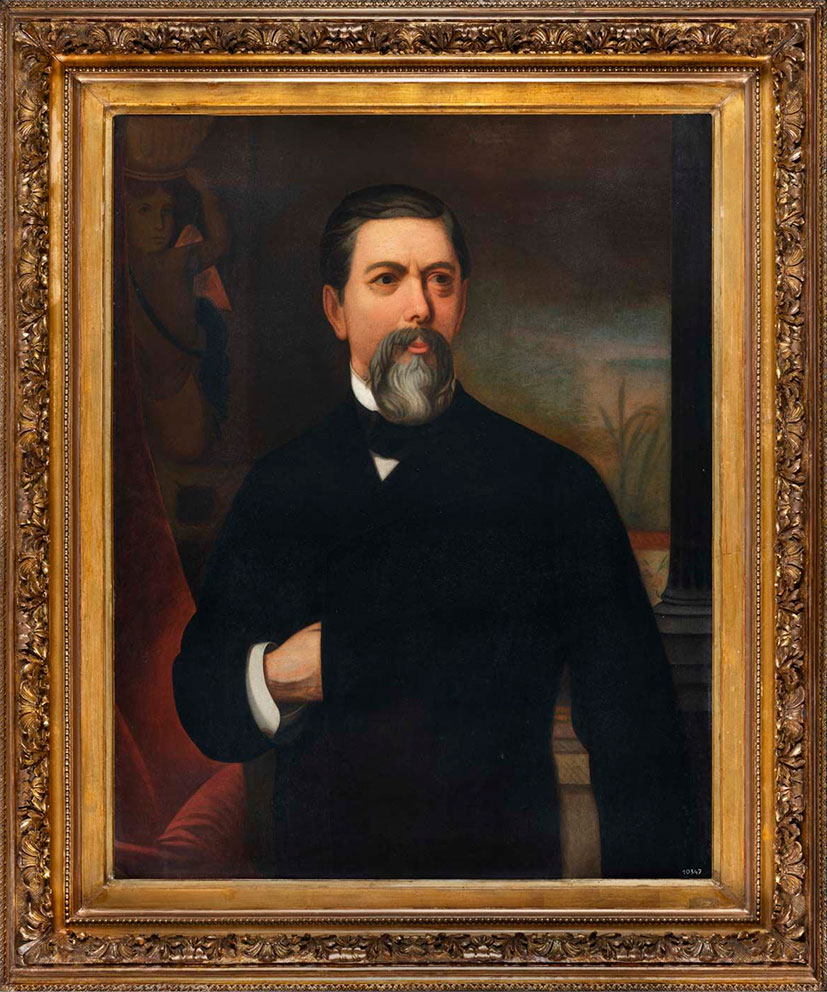
Oil on canvas by an unknown artist.
MMB
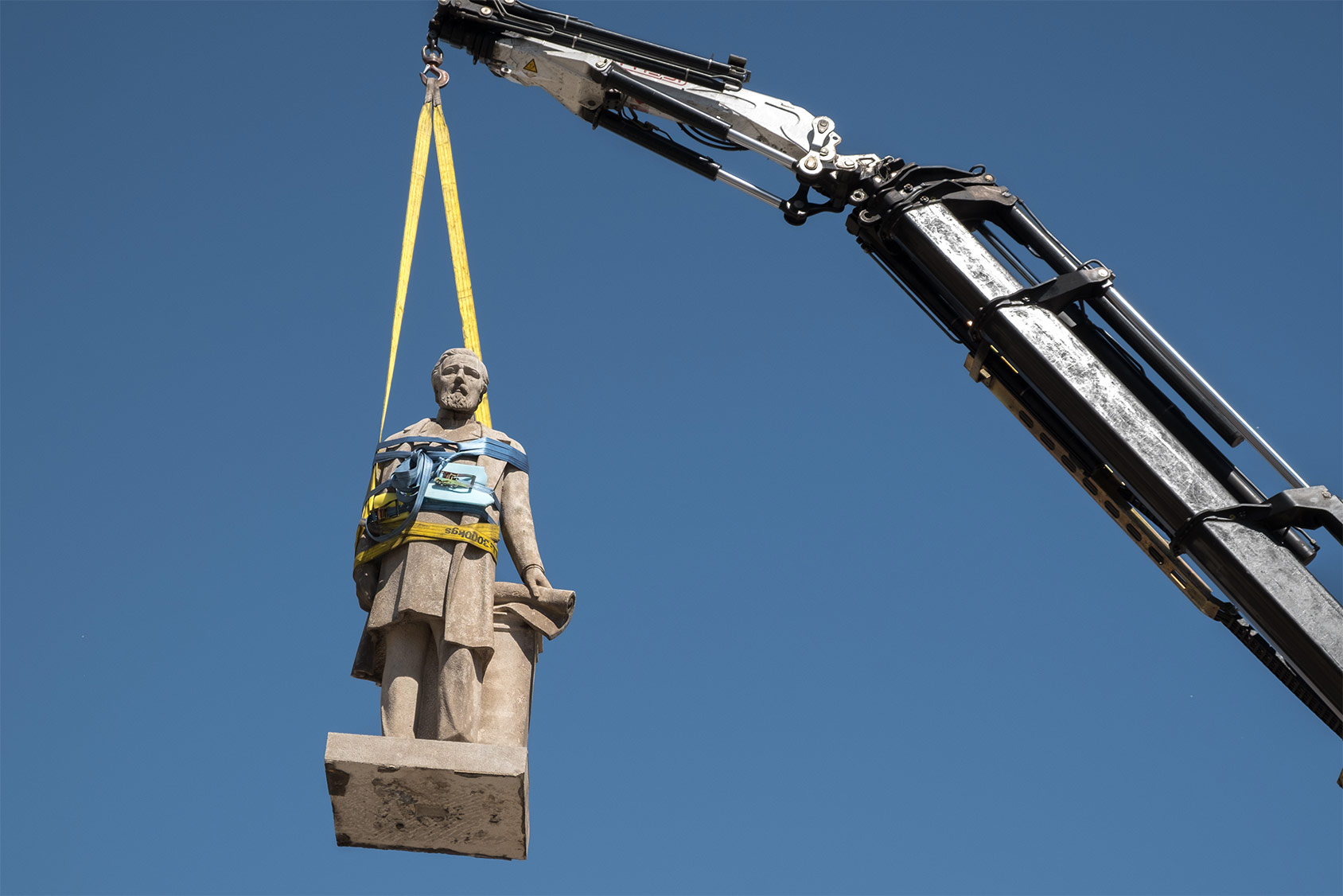
Removal, in 2018, of the sculpture of Antonio López, a banker, ship-owner and businessman involved in the trafficking of enslaved people in Cuba, erected in Barcelona in 1884.
This action, in line with the critical review that many cities are carrying out with regard to certain monuments, challenges us to consider how to deal with elements of our past that today make us uncomfortable or even ashamed.
Photograph by Paco Freire (2018).
The exhibition La Infamia, la participación catalana en la esclavitud colonial (Infamy: Catalan involvement in colonial slavery) concludes with the audiovisual piece Una historia de reconciliación (A story of reconciliation), created specifically for this exhibition by filmmaker Sally Fenaux Barleycorn.
This artistic work invites us to pause, pay closer attention, and reflect on the legacy of slavery during the colonial period, which is still present in our daily interactions today. It proposes examining how these narratives from the past continue to affect human, social, and political relationships, and invites us to take personal responsibility for stripping them of their power and replacing them with narratives that benefit all the people who make up society.